
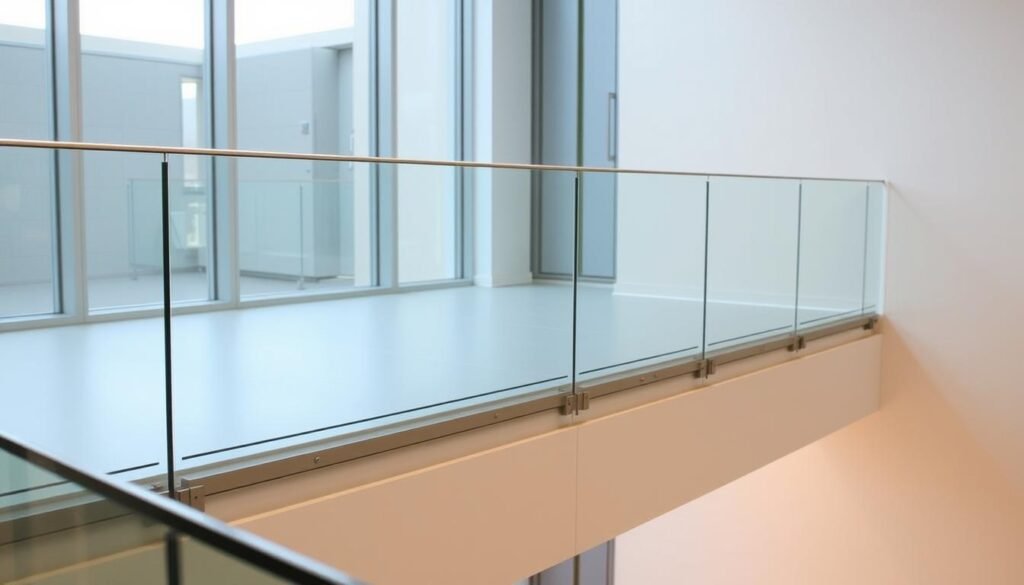
Are you torn between choosing frameless or semi-frameless glass balustrades for your home or office? The decision can significantly impact the aesthetic and functionality of your space.
Both options offer unique benefits. Frameless glass balustrades provide a sleek, modern look, while semi-frameless balustrades offer a balance between style and structural support.
Understanding the differences between these two glass balustrade systems is crucial for making an informed decision that suits your needs.
Key Takeaways
- Consider the style and modernity you want to achieve with your balustrades.
- Evaluate the structural needs of your space.
- Understand the maintenance requirements of each option.
- Assess the cost implications of frameless vs. semi-frameless balustrades.
- Consider consulting a professional for the best installation practices.
Understanding Glass Balustrade Systems
Modern glass railing systems are transforming the architectural landscape, combining functionality with contemporary style. Glass balustrades have become a popular choice for both residential and commercial properties due to their sleek design and ability to provide unobstructed views.
What Are Glass Balustrades?
Glass balustrades are safety barriers made primarily of glass, used to protect people from falls at heights, such as on staircases, balconies, and terraces. They are designed to be both functional and aesthetically pleasing, often used to enhance the visual appeal of a space.
Evolution of Glass Balustrades in Modern Architecture
The evolution of glass balustrades in modern architecture has been significant, driven by advancements in glass technology and changing design preferences. Today, glass balustrades are a staple in contemporary design, offering a minimalist and sophisticated look.
| Feature | Traditional Balustrades | Glass Balustrades |
|---|---|---|
| Material | Metal, Wood | Glass, Stainless Steel |
| Aesthetic Appeal | Classic, Ornate | Modern, Minimalist |
| Safety | High | High |
| Maintenance | Regular | Easy |
Frameless Glass Balustrades: The Epitome of Minimalism
Frameless glass balustrades have become synonymous with sleek, modern design, providing an unobstructed visual experience. They are particularly favored in contemporary architecture for their ability to create a sense of openness and fluidity.
Design Characteristics
Frameless glass balustrades are characterized by their minimalist design, which emphasizes clean lines and unobstructed views. The absence of a frame allows for a seamless transition between spaces, enhancing the overall aesthetic of the area.
- Sleek and modern appearance
- Unobstructed views
- Clean lines and minimalist design
Materials and Components
The construction of frameless glass balustrades involves high-quality glass and durable hardware. The glass used is typically toughened or laminated for safety and durability.
Structural Integrity
Despite their minimalist appearance, frameless glass balustrades are engineered to be structurally sound. They are designed to withstand various loads and stresses, ensuring safety and reliability.
The key to their structural integrity lies in the quality of the materials and the precision of the installation.
Semi-Frameless Balustrades: The Perfect Compromise
Semi-frameless glass balustrades have emerged as a popular choice in modern architecture, providing a compromise between minimalist design and structural integrity. This balance makes them an attractive option for those looking to enhance their spaces with stylish glass balustrades.
Design Characteristics
Semi-frameless balustrades are characterized by their use of minimal framing elements, typically at the base or sides, while maintaining a largely glass structure. This design approach allows for unobstructed views and a sense of openness, making it ideal for spaces where visibility is paramount.
According to a leading architect, “The semi-frameless design offers the best of both worlds, combining the elegance of frameless glass with the added stability of a framed structure.”
“The key to a successful semi-frameless balustrade installation lies in its ability to balance aesthetics with functionality.”
Materials and Components
The construction of semi-frameless balustrades involves high-quality glass, typically tempered or laminated for safety, and metal framing elements. The choice of materials for the framing, such as stainless steel or aluminum, can significantly impact the overall aesthetic and durability of the balustrade system.
- High-quality glass (tempered or laminated)
- Metal framing elements (stainless steel or aluminum)
- Robust fixing systems for stability
Structural Support Systems
The structural integrity of semi-frameless balustrades is ensured through a combination of the glass panels and the supporting metal framework. The design of the support system is critical, as it must provide the necessary stability while minimizing visual impact.
Efficient structural support systems are crucial for the longevity and safety of the balustrade. Proper installation and regular maintenance are key to ensuring that the semi-frameless balustrade continues to perform optimally over time.
Comparing Frameless Glass Balustrades and Semi-Frameless Balustrades
Understanding the differences between frameless and semi-frameless glass balustrades is crucial for making an informed decision that meets your specific needs and enhances your space.
Visual Impact and Aesthetics
Frameless glass balustrades offer a sleek, minimalist appearance that can significantly enhance the visual appeal of a room or outdoor area. They provide unobstructed views, creating a sense of openness and continuity.
In contrast, semi-frameless balustrades have a more defined edge, which can add a touch of elegance while still maintaining a relatively minimalist look.

Structural Differences
The primary structural difference between frameless and semi-frameless balustrades lies in their support systems. Frameless balustrades rely on high-strength glass and sophisticated clamping systems to provide support, whereas semi-frameless balustrades use a combination of glass and metal framing for added stability.
| Feature | Frameless | Semi-Frameless |
|---|---|---|
| Support System | High-strength glass and clamping systems | Glass and metal framing |
| Aesthetic Appeal | Sleek, minimalist | Elegant, defined edge |
| Installation Complexity | More complex | Less complex |
Installation Requirements
The installation of frameless glass balustrades typically requires more precision and expertise due to their reliance on precise clamping systems. Semi-frameless balustrades, while still requiring professional installation, may offer a slightly more straightforward process due to their additional framing.
By considering these factors, you can make a more informed decision about which type of glass balustrade best suits your needs and preferences.
Benefits of Frameless Glass Balustrades
In the realm of contemporary design, frameless glass balustrades stand out for their minimalist aesthetic and functional benefits. These systems have revolutionized the way we perceive and interact with our living and working spaces.
Unobstructed Views
One of the primary advantages of frameless glass balustrades is their ability to provide unobstructed views. Unlike traditional balustrade systems, frameless glass does not interrupt the line of sight, creating a seamless visual experience. This feature is particularly beneficial in areas with scenic views or in open-plan living spaces.
Contemporary Aesthetic Appeal
Frameless glass balustrades embody the essence of contemporary glass balustrades, offering a sleek and sophisticated look that complements modern architecture. Their minimalist design ensures they blend seamlessly with various décor styles, enhancing the overall aesthetic of a space.
Versatility in Design Applications
The sleek glass balustrade design is not only visually appealing but also highly versatile. Frameless glass balustrades can be used in a variety of settings, from residential staircases to commercial balconies, and are suitable for both indoor and outdoor applications.
By incorporating frameless glass balustrades into your design, you can achieve a perfect blend of form and function, enhancing both the safety and aesthetic appeal of your space.
Advantages of Semi-Frameless Balustrades
Semi-frameless balustrades have become a popular choice among homeowners due to their numerous benefits. They offer a perfect blend of style, durability, and functionality, making them an ideal solution for modern homes.
Cost-Effectiveness
One of the significant advantages of semi-frameless balustrades is their cost-effectiveness. Compared to fully frameless systems, semi-frameless balustrades require less material and labor, resulting in lower installation costs. This makes them an attractive option for those on a budget.
Easier Installation
Semi-frameless balustrades are also easier to install compared to their frameless counterparts. The presence of a frame or partial frame provides additional support, simplifying the installation process and reducing the risk of complications.
Variety of Design Options
Semi-frameless balustrades come in a variety of design options, allowing homeowners to choose a style that complements their home’s aesthetic. From different glass types to various frame materials, the customization possibilities are vast.
As noted by a design expert,
“Semi-frameless balustrades offer the best of both worlds: the elegance of glass and the stability of a frame.”
This makes them a versatile choice for both residential and commercial projects.
| Feature | Frameless | Semi-Frameless |
|---|---|---|
| Cost | Higher | Lower |
| Installation Complexity | High | Moderate |
| Design Flexibility | Limited | High |
In conclusion, semi-frameless balustrades offer a compelling combination of cost-effectiveness, ease of installation, and design versatility, making them a highly appealing choice for many.
Cost Comparison: Budgeting for Your Glass Balustrade
Investing in high-quality glass railing solutions requires a thorough understanding of both initial and long-term costs. When budgeting for glass balustrades, it’s essential to consider not just the upfront expenses but also the long-term value and potential return on investment.
Initial Installation Costs
The initial cost of installing glass balustrades can vary significantly depending on whether you choose frameless or semi-frameless systems. Frameless glass balustrades typically require more complex engineering and installation, potentially increasing the upfront cost. In contrast, semi-frameless balustrades may offer a more budget-friendly initial investment.
- Frameless systems: Higher initial cost due to complex engineering
- Semi-frameless systems: Lower initial cost with simpler installation
Long-term Value Considerations
Beyond the initial installation costs, it’s crucial to consider the long-term value that glass balustrades bring to your property. High-quality glass balustrade systems can enhance the aesthetic appeal and safety of your space, potentially increasing property value.
Modern glass railingnot only adds a touch of elegance but also provides unobstructed views, which can be a significant selling point.
Return on Investment
When evaluating the return on investment (ROI) for glass balustrades, consider factors such as durability, maintenance requirements, and the potential increase in property value. A well-installed glass balustrade can last for decades with minimal maintenance, providing a significant ROI over time.
By carefully considering these factors, you can make an informed decision that balances your budget with your desire for a high-quality glass balustrade system.
Safety Standards and Regulations for Glass Balustrades
Ensuring the safety of glass balustrade systems is paramount, and understanding the relevant safety standards and regulations is crucial for compliance. Glass balustrades, while aesthetically pleasing and durable, must meet specific safety criteria to prevent accidents and ensure user safety.
U.S. Building Codes and Requirements
In the United States, glass balustrades are subject to various building codes that dictate their design, installation, and maintenance. The International Building Code (IBC) and International Residential Code (IRC) provide guidelines that are widely adopted across different jurisdictions. These codes specify requirements for the type of glass used, the structural integrity of the balustrade, and the height and spacing of components.
Testing and Certification
To ensure compliance with safety standards, glass balustrade systems undergo rigorous testing and certification processes. Testing involves evaluating the system’s ability to withstand various loads and impacts. Certification is typically provided by accredited third-party testing laboratories, verifying that the product meets or exceeds relevant building codes and standards.
Compliance Considerations
Compliance with safety regulations is not only a legal requirement but also essential for ensuring the safety of users. Manufacturers and installers must be aware of the current standards and ensure that their products and installations meet these requirements. Regular inspections and maintenance are also crucial for maintaining compliance over the lifespan of the glass balustrade.
| Regulation | Description | Compliance Requirement |
|---|---|---|
| IBC | International Building Code | Structural integrity and safety standards |
| IRC | International Residential Code | Specific guidelines for residential installations |
| ASTM | American Society for Testing and Materials | Testing standards for glass and framing components |

Real-World Applications: Case Studies
Frameless and semi-frameless glass balustrades have become staples in modern architecture, offering sleek and sophisticated solutions for both residential and commercial spaces. Their versatility and aesthetic appeal make them an ideal choice for architects and designers looking to create open, airy, and visually stunning environments.
Residential Projects
In residential settings, frameless glass balustrades are often used to create a sense of openness and continuity between indoor and outdoor spaces. For instance, a modern home in California featured frameless glass balustrades along its staircase and balcony, providing unobstructed views of the surrounding landscape. Homeowners praised the installation for its ability to enhance the home’s aesthetic while ensuring safety.
Commercial Installations
Commercial spaces also benefit from the installation of semi-frameless balustrades, which offer a balance between structural support and visual appeal. A notable example is a corporate office building in New York, where semi-frameless balustrades were used throughout the mezzanine levels. The design not only added a touch of sophistication to the office space but also provided the necessary safety features without obstructing the view.
“The use of glass balustrades in our office design has been a game-changer. It has given our workspace a modern and sleek look while maintaining the safety and durability we needed.” –
Lessons Learned
Through various case studies, it’s clear that both frameless and semi-frameless glass balustrades offer unique advantages. The key to a successful installation lies in understanding the specific needs of the project, including the desired aesthetic, structural requirements, and budget constraints. By choosing the right type of glass balustrade, architects and designers can create spaces that are not only visually appealing but also safe and functional.
Ultimately, the choice between frameless and semi-frameless glass balustrades will depend on the specific requirements of the project. By examining real-world applications and learning from past installations, professionals can make informed decisions that enhance the overall quality and appeal of their designs.
Installation Process and Considerations
Installing transparent balustrades requires careful planning and execution to achieve the desired aesthetic and safety standards. The installation process is a critical phase that determines the overall look and functionality of the modern glass railing system.
When it comes to installing a sleek glass balustrade design, one of the primary decisions is whether to opt for DIY installation or hire professionals. While DIY installation can be cost-effective, it demands a certain level of expertise and specialized tools.
DIY vs. Professional Installation
DIY installation is suitable for those with experience in handling glass and construction materials. However, professional installation is generally recommended due to the complexity and safety considerations involved in the process.
Professional installers bring expertise and specialized equipment to the job, ensuring that the glass balustrade is installed correctly and safely.
Common Installation Challenges
Some common challenges faced during the installation of modern glass railing systems include ensuring accurate measurements, handling heavy glass panels, and complying with local building codes.

Timeline Expectations
The timeline for installing transparent balustrades can vary depending on the complexity of the design, the size of the area, and the availability of materials.
On average, a professional installation team can complete the job within a few days to a week, depending on the scope of the project.
Maintenance and Longevity of Glass Balustrade Systems
Glass balustrades require regular upkeep to maintain their sleek appearance and structural integrity. Proper maintenance not only enhances the durability of durable glass handrails but also ensures they remain a stylish addition to your space.
Cleaning and Regular Maintenance
Regular cleaning is essential to prevent dirt and grime from accumulating on your glass balustrade. Use a mild detergent and water to clean the glass panels, and avoid abrasive materials that could scratch the surface. For high-quality glass railing solutions, a soft cloth is recommended to prevent streaks and water spots.
Durability Factors
The durability of your glass balustrade depends on several factors, including the quality of the materials used and the installation process. High-quality glass railing solutions are designed to withstand various environmental conditions, ensuring longevity.
Replacement and Repair Considerations
Over time, certain components of your glass balustrade may need replacement or repair. Regular inspections can help identify potential issues early, ensuring your stylish glass balustrades remain safe and functional.
By following these maintenance tips, you can extend the life of your glass balustrade and maintain its aesthetic appeal.
Conclusion: Making the Right Choice for Your Space
Choosing between frameless glass balustrades and semi-frameless balustrades depends on several factors, including your design preferences, budget, and safety considerations. Frameless glass balustrades offer a sleek, modern aesthetic with unobstructed views, while semi-frameless balustrades provide a balance between style and structural support.
When deciding on a glass balustrade system, consider the initial installation costs, long-term value, and maintenance requirements. Both frameless and semi-frameless options have their benefits, from contemporary appeal to cost-effectiveness. By understanding the differences between these systems, you can make an informed decision that suits your space and meets local safety regulations.
Ultimately, the right glass balustrade system will enhance your space’s functionality and visual appeal. Whether you opt for frameless glass balustrades or semi-frameless balustrades, ensure that your choice aligns with your architectural vision and complies with relevant building codes.
FAQ
What is the main difference between frameless and semi-frameless glass balustrades?
The primary difference lies in their structural support systems. Frameless glass balustrades rely on the glass itself for structural integrity, often using glass-to-glass connections or minimal metal components, whereas semi-frameless balustrades use a combination of glass and a metal frame for added support.
Are frameless glass balustrades more expensive than semi-frameless ones?
Generally, frameless glass balustrades tend to be more expensive due to the high-quality, tempered glass required and the specialized installation techniques. However, costs can vary based on the specific materials, size of the installation, and complexity of the design.
Can I install glass balustrades myself, or do I need a professional?
While DIY installation is possible for some, it’s highly recommended to hire a professional for glass balustrade installation, especially for frameless systems, due to the complexity and safety considerations involved.
How do I maintain my glass balustrade to ensure its longevity?
Regular cleaning with appropriate glass cleaners and inspecting the balustrade for any signs of damage or wear are crucial. Additionally, ensuring that all hardware is securely tightened and lubricated as needed will help maintain the system’s integrity.
Are glass balustrades compliant with U.S. building codes and safety regulations?
Yes, modern glass balustrade systems are designed to meet or exceed U.S. building codes and safety standards. It’s essential to work with a reputable supplier and installer to ensure compliance with local regulations.
Can glass balustrades be used in both residential and commercial projects?
Absolutely, glass balustrades are versatile and can be used in a variety of settings, from residential staircases and balconies to commercial spaces like office buildings and hotels, offering a sleek, modern aesthetic.
What are the benefits of using contemporary glass balustrades in modern architecture?
Contemporary glass balustrades offer unobstructed views, a minimalist aesthetic, and can be tailored to fit various design applications, making them a popular choice in modern architecture for enhancing the visual appeal and functionality of a space.
How do semi-frameless balustrades compare to frameless ones in terms of visual impact?
Semi-frameless balustrades have a slightly more defined frame compared to frameless systems, which can affect their visual impact. However, they still offer a sleek, modern look while providing additional structural support.
What factors should I consider when choosing between frameless and semi-frameless glass balustrades?
Consider factors such as your budget, the desired aesthetic, the structural requirements of your space, and local building codes. Consulting with a professional can help you make an informed decision based on your specific needs.
